Mount Ol’doinyo Lengai
Tanzania is considered one of the tourist hotspots of the African continent, with excellent safari destinations primarily because of the world-class opportunities of game viewing, highest mountains a…
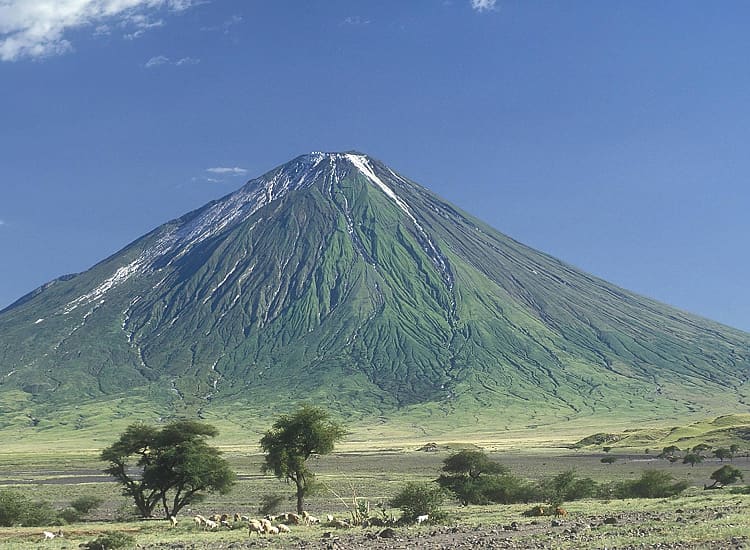
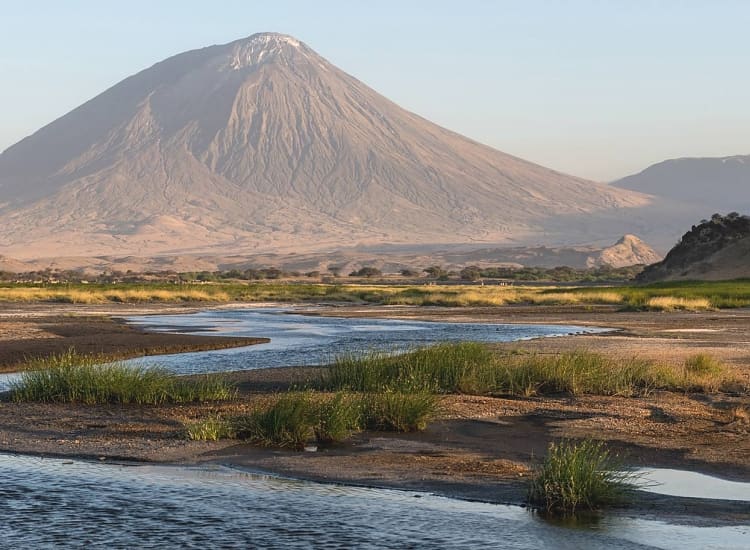
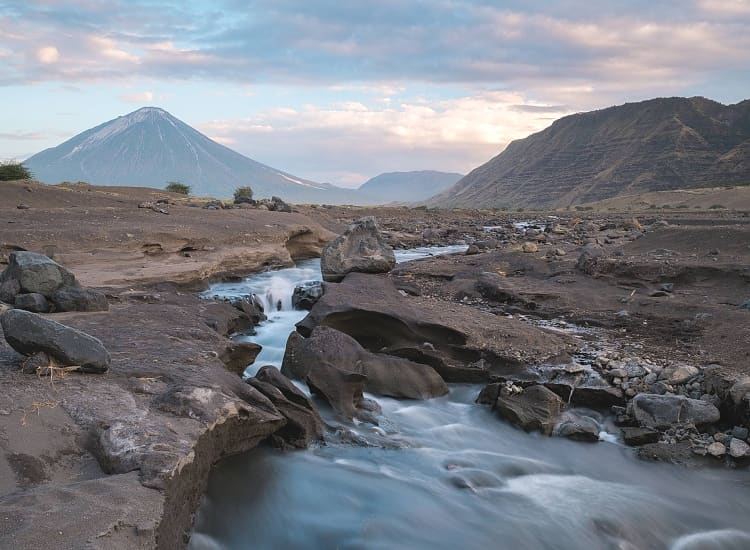
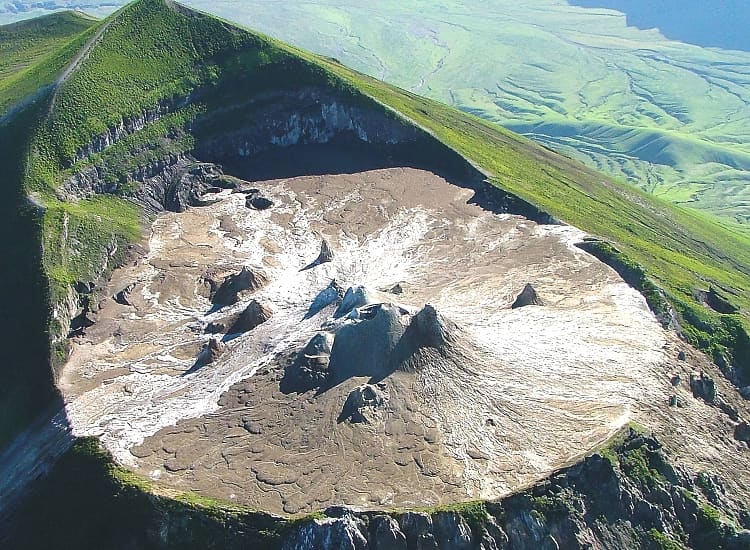
"Oldoinyo Lengai" means “The Mountain of God” in the Maasai language. The summit of this strato-volcano is 2962 metres above sea level, and affords direct views into the caldera of Tanzania’s only officially-certified active volcano, and the world’s only carbonatite volcano; records of eruptions have been maintained since 1883, the largest of which deposited ash 120 from Arusha Town and 100 kilometres away in Loliondo on the Kenyan border to the north west.
It is located in northern Tanzania lying just south of Soda Ash Lake Natron in the Rift Valley, in the heart of Maasai country, and locally regarded as a sacred mountain. Looking north from it’s summit crater, the hot barren salt flats of Lake Natron stretch into the distance. To the south stretch the crater Highlands and the Ngorongoro Game Reserve. The eastern horizons dominated by Kilimanjaro and to the west the forested escarpments and hills comprising the western slopes of the Rift Valley. Every seven years Lengai erupts and plumes of smoke billow out of the crater.
It is possible to walk across the crater floor. The ascent of Oldoinyo Lengai is demanding on account of the day time heat, lack of water, steep and unsuitable slopes of ash and crumbly rocks and considerable height gain. Normally you can start ascending to summit early in the morning and reach to summit at sunrise. Short and a warm jacket are suitable for ascent, also long trousers are good as the summit before dawn can be cold. Access route from the North West allows an early descent to be made from the summit in the morning shadow.
Since the past ancestors the Holly Lengai has been used by Maasai for their prayer to their GOD known as NGAI. Ol’doinyo Lengai is the only active volcano in the world that erupt natrocarbonatite lava which is cooler than other lavas about (510 degrees C) compare to the temperatures of basaltic lavas (1,100 degrees C) with less silicon.