Scuba Diving & Snorkelling
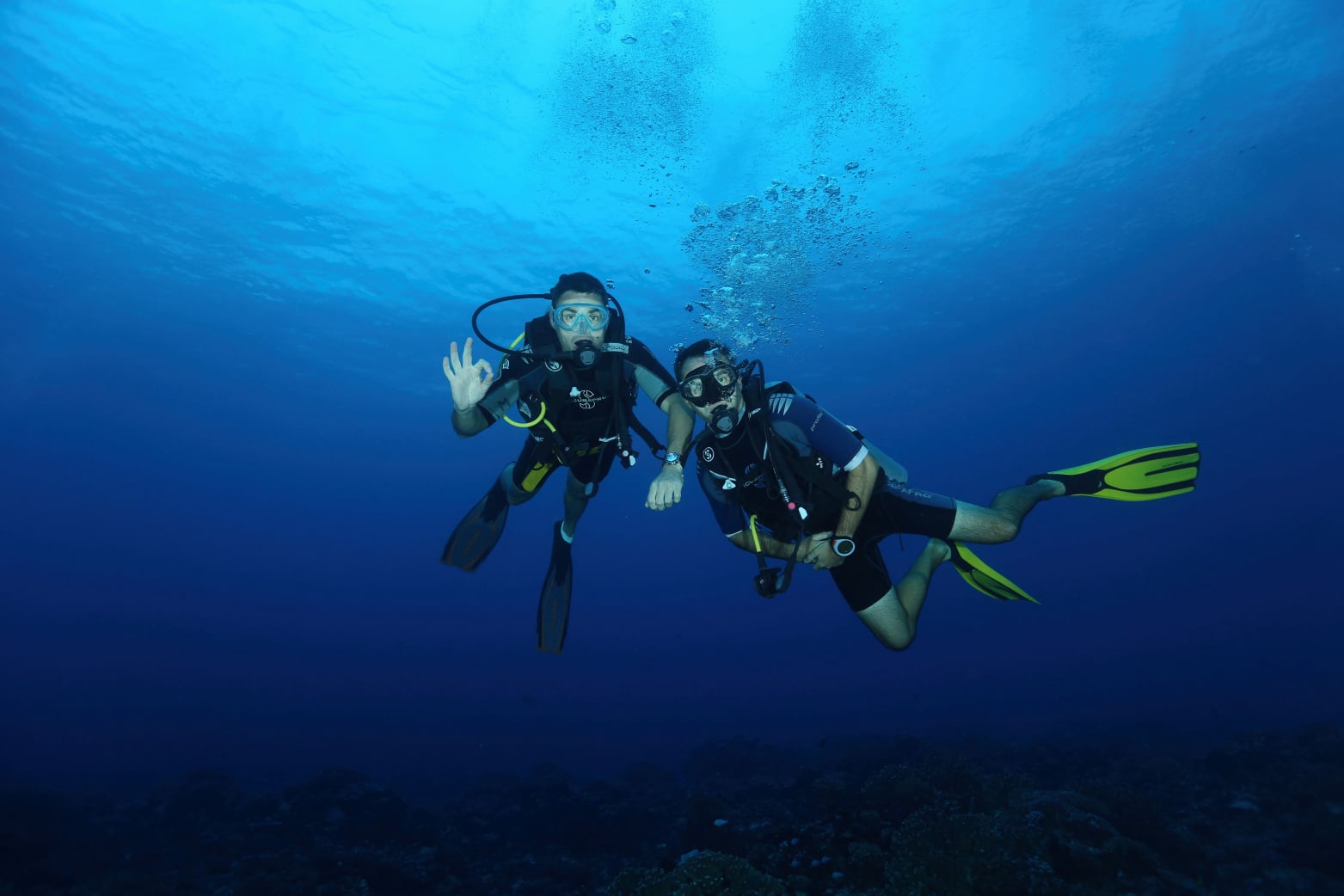
Vertical coral walls at Mesali Island, Njao Gap drift dives, and The Pinnacles seamounts – from beginner snorkelling to advanced pelagic wall diving with Pemba’s finest operators.
Tanzania's most untouched island ? legendary walls of coral, ancient clove plantations, and a profound quiet found nowhere else in the archipelago. The Indian Ocean's finest diving awaits.
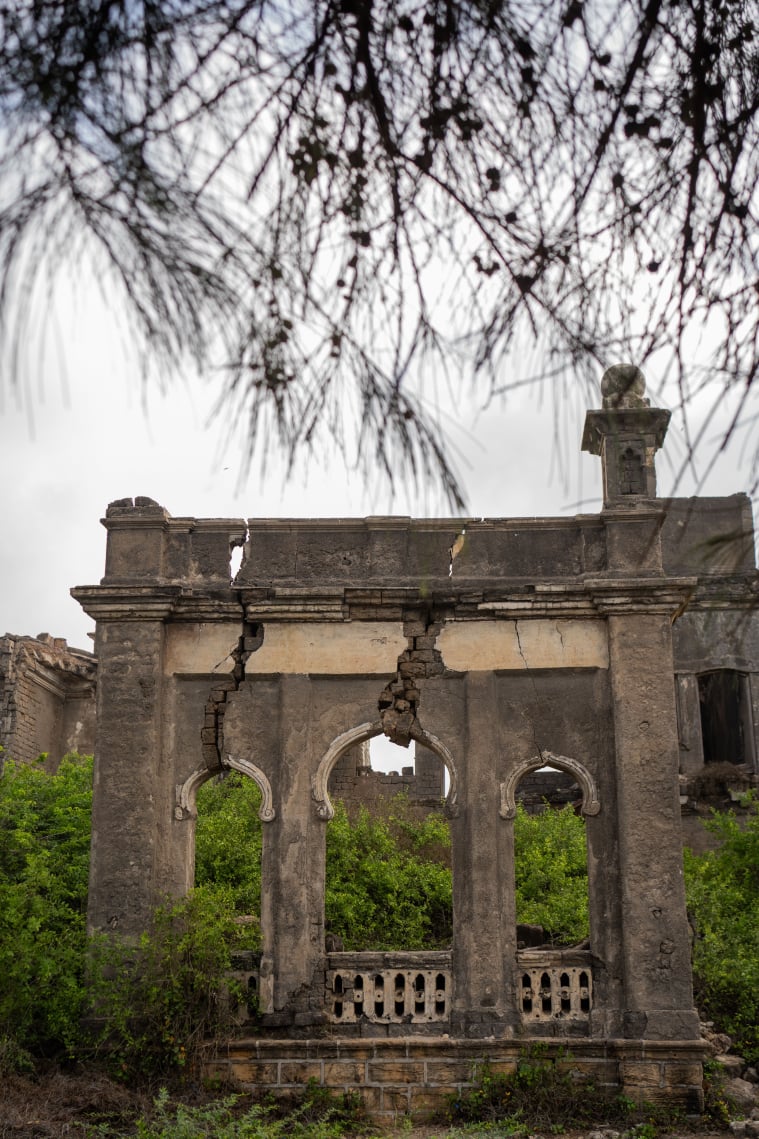
Beyond the reef ? ancient ruins, clove country, traditional dhow yards, and mangrove forests shaped by a thousand years of Indian Ocean culture.
Vertical coral walls at Mesali Island, Njao Gap drift dives, and The Pinnacles seamounts – from beginner snorkelling to advanced pelagic wall diving with Pemba’s finest operators.
Walk working clove plantations during harvest (Oct–Jan), watch hand-pickers at work, and visit drying yards that supply most of the world’s cloves.
9th-century Swahili settlement with mosque ruins, pillar tombs, and residential buildings – reached by forest walk or dhow along mangrove coast.
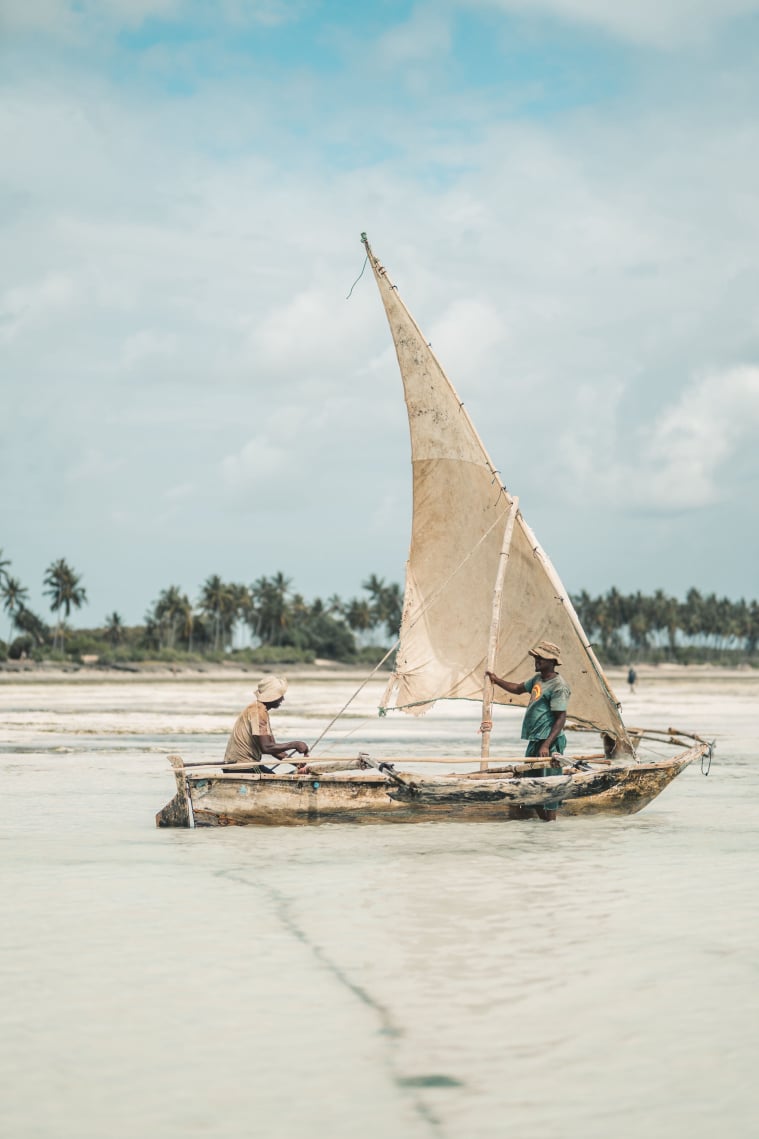
Watch craftsmen build traditional hand-made dhows at Wete or Mkoani – no plans, no power tools, techniques unchanged for centuries.
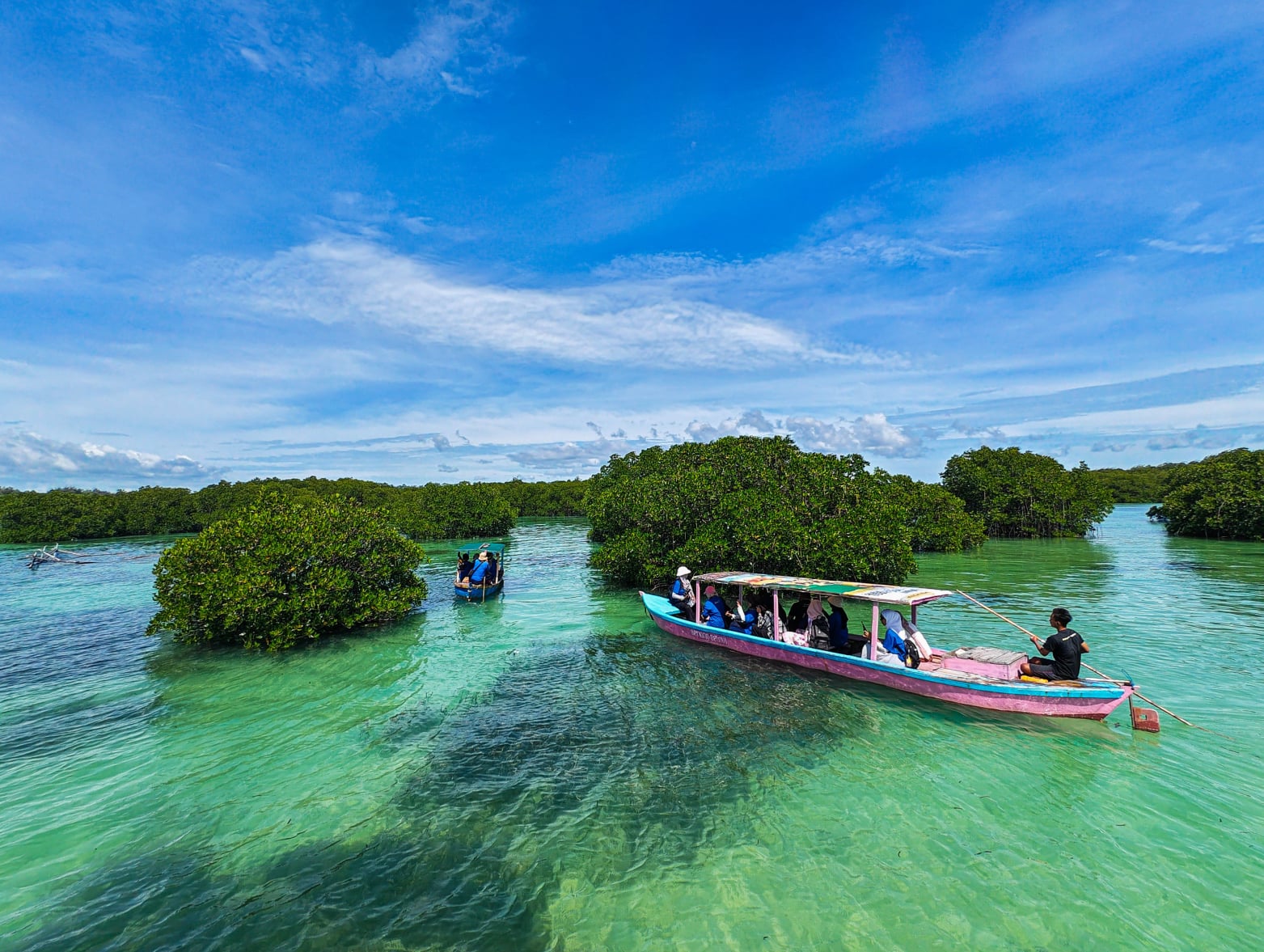
Paddle tidal channels through East Africa’s largest undisturbed mangrove forests at high tide, or explore root systems on foot at low tide.
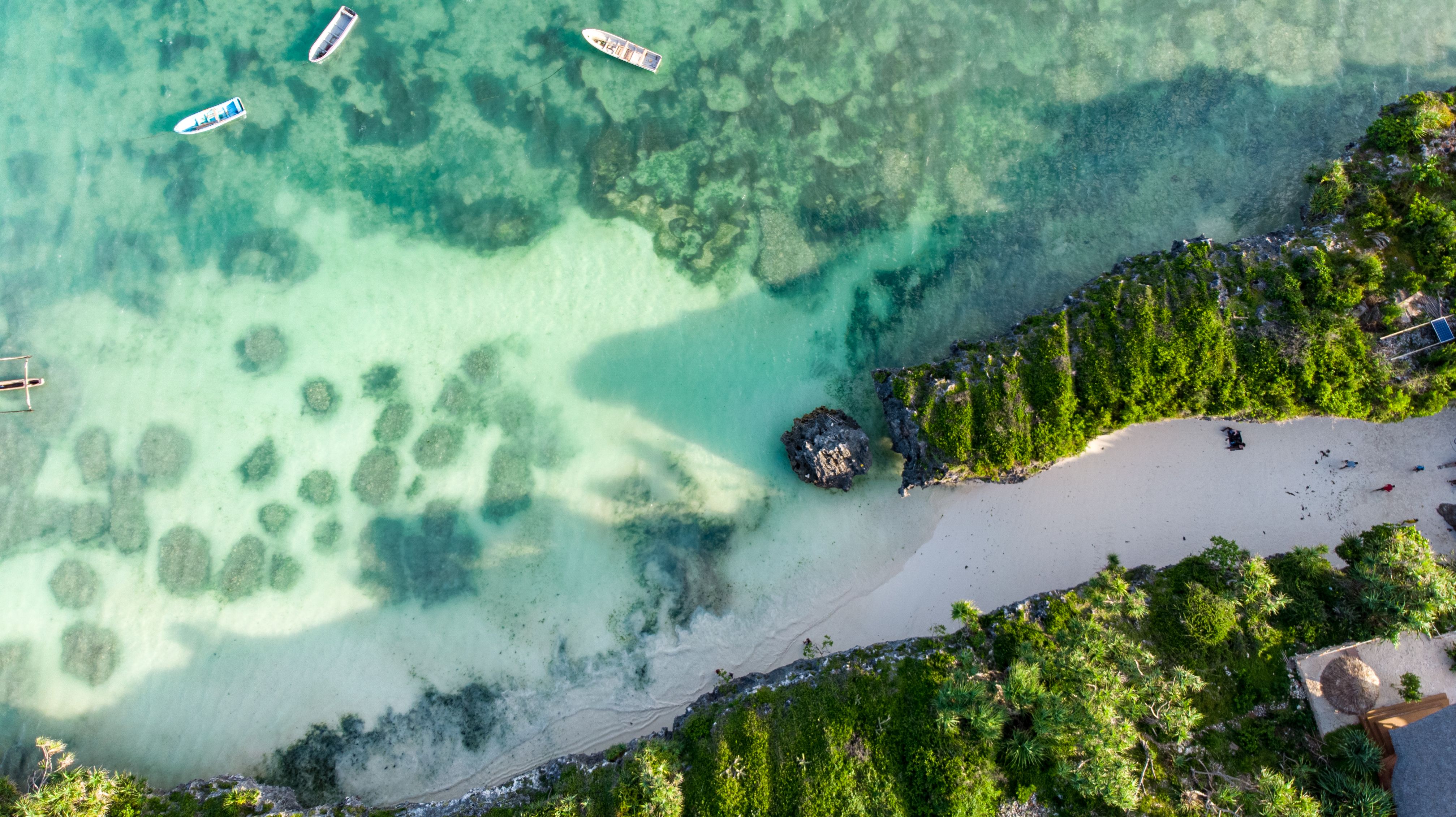
Pemba Island lies 80 km north of Zanzibar – greener, quieter, and home to some of the Indian Ocean’s finest vertical coral walls and clove plantations.
Wild Gaze Safaris arranges seamless Pemba extensions with flights, boutique eco-lodges, and guided diving included.
Pemba Channel's powerful currents and sheer coral walls sustain one of the richest marine ecosystems in the Indian Ocean ? a diver's paradise virtually free of crowds.
Pemba's reputation rests on its vertical coral walls. Unlike the gradual reef slopes common elsewhere, these walls begin just beneath the surface and plunge straight down ? 20, 30, 40 metres and beyond ? encrusted with hard and soft corals in extraordinary variety. The Pemba Channel, separating the island from the mainland, funnels cold, nutrient-laden water along these walls, creating the conditions for truly exceptional marine life concentrations.
With only a handful of dive operators on the island, dive sites are genuinely uncrowded ? a rare quality in East Africa. Most sites are accessible only by boat from the island's small dive centres, ensuring the reefs remain in pristine condition. Advanced open-water certification is recommended for the deeper wall dives; shallower sites suit beginners and snorkellers admirably.
Mesali Island Marine Reserve, on Pemba's west coast, is protected from fishing and widely regarded as the finest diving on the island. Its outer wall hosts leopard sharks resting in sandy gullies, vast schools of snapper and barracuda, and coral formations dense enough to rival anything in the Indo-Pacific. Snorkelling at Mesali is equally spectacular ? the shallow reef is shallow, clear, and alive with colour.
Njao Gap, a channel between two reef systems on the northwest coast, is Pemba's most exhilarating drift dive. The current through the gap draws regular manta rays, hammerhead sharks (seasonal), silvertip sharks, and enormous congregations of pelagic fish. Experienced divers ride the current along the wall, watching the blue water beyond the reef for large oceanic visitors.
Off the northwest coast near Fundu Lagoon Lodge, this reef system rewards close attention ? nudibranchs, ornate ghost pipefish, mantis shrimps, and frogfish inhabit the coral rubble and sea grass beds. Night dives here are exceptional: lionfish, octopus, and Spanish dancer nudibranchs emerge after dark in a spectacle of bioluminescence and colour.
The northern tip of Pemba is one of the most consistent spots in East Africa to observe hawksbill and green turtles at dedicated cleaning stations ? areas of reef where small fish pick parasites from the turtles, who queue patiently and barely react to divers. The shallow reef is also outstanding for snorkelling, with visibility regularly exceeding 25 metres.
A series of submerged seamounts off Pemba's east coast rise from 35 metres to within 15 metres of the surface, creating upwelling zones that draw whale sharks (October?February), dogtooth tuna, giant trevally, and dense bait balls. Advanced certification required. Widely considered one of East Africa's most thrilling big-fish dives.
Pemba's extensive mangrove systems ? some of the largest remaining on the East African coast ? can be explored by kayak or on foot at low tide. Juvenile fish of almost every reef species use the roots as nurseries; kingfishers, herons, and mudskippers inhabit the margins. A guided mangrove tour pairs beautifully with a morning dive.
Jun–Oct best visibility (30m+). Oct–Feb whale shark season. Clove harvest Oct–Jan.
PMA Airport – daily flights from Dar (1h) & Zanzibar (40 min). No ferry; flying recommended.
Tanzania visa covers Pemba. Connect via Zanzibar for smoothest immigration routing.
4WD with driver essential inland. Boat transfers to dive sites arranged by lodge.
USD cash recommended. Malaria prophylaxis essential. Nearest dive chamber in Zanzibar.
Conservative Muslim island – modest dress always. Fundu Lagoon is the standout luxury stay.
Pemba pairs with any northern circuit safari or Zanzibar visit. We handle all flights, transfers, lodging, and diving logistics seamlessly.