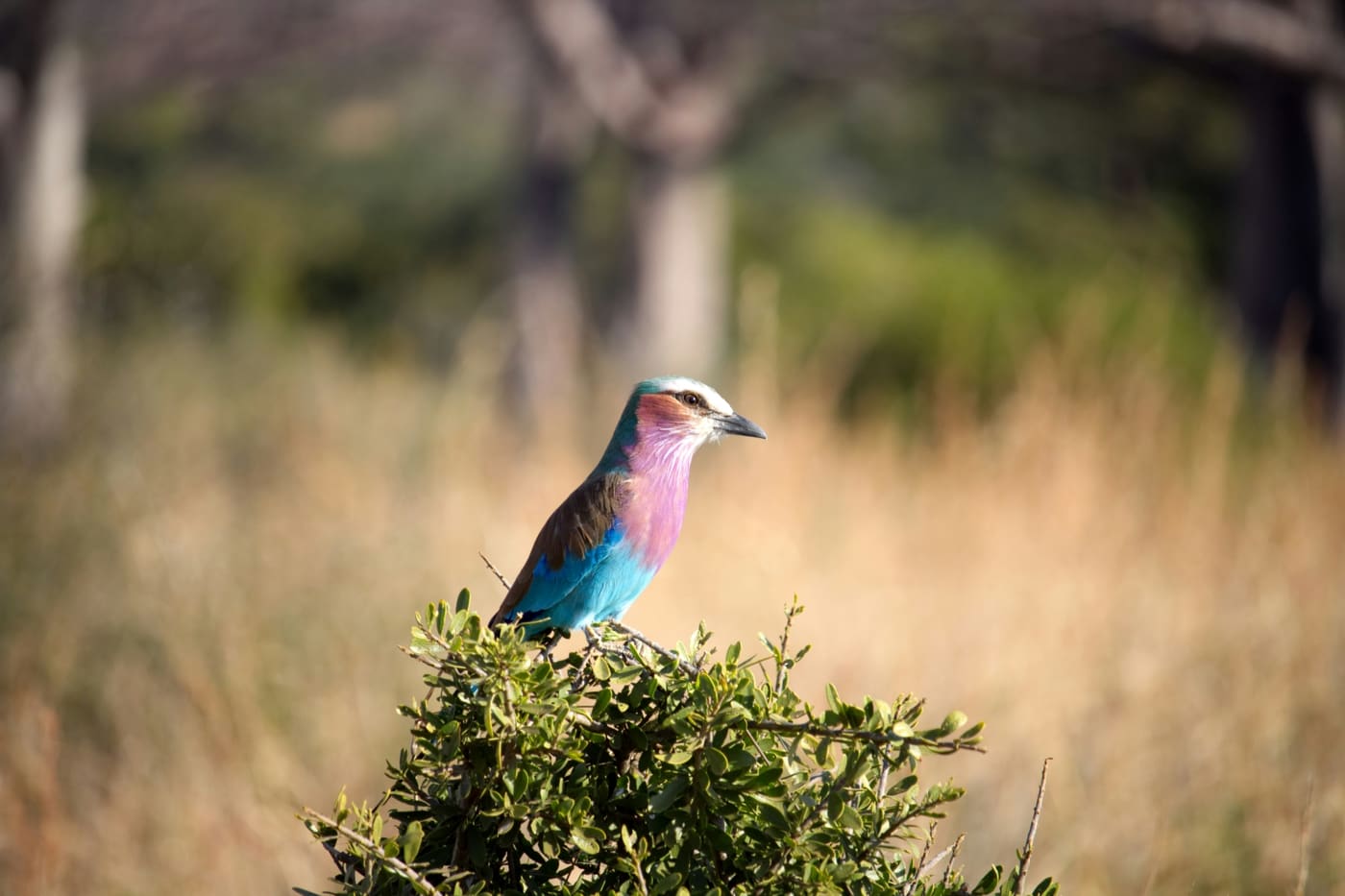
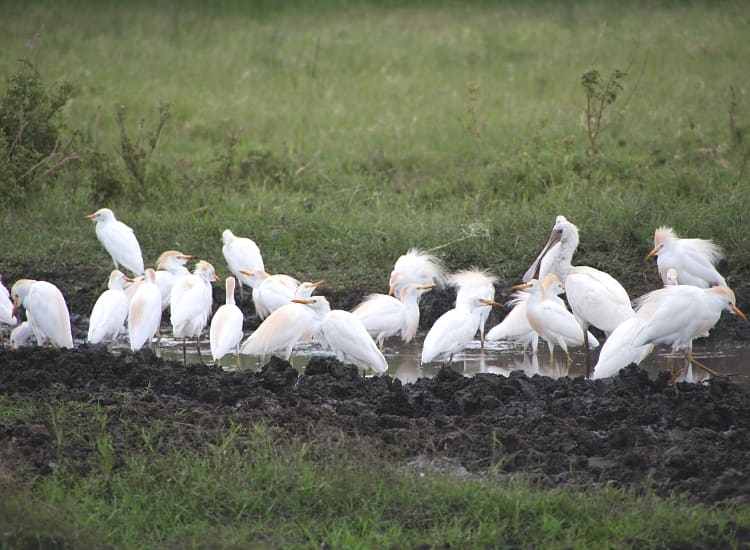
Tanzania is one of the finest birdwatching destinations in Africa, with over 1,140 species recorded – including 200 migrants and 74 marine birds. Tanzanian avian safaris are at their best during the rains, when migrants arrive and resident species display their breeding plumage. From the flamingo-fringed shores of Lake Natron to the ancient montane forests of the Eastern Arc Mountains, every ecosystem holds its own cast of remarkable birds.
Wild Gaze Safaris can customise a Tanzanian avian itinerary to target the most rewarding habitats, pairing each circuit with a trained spotter and guide to help you add extraordinary sightings – and the photographs to prove it – to your checklist.
Arusha National Park
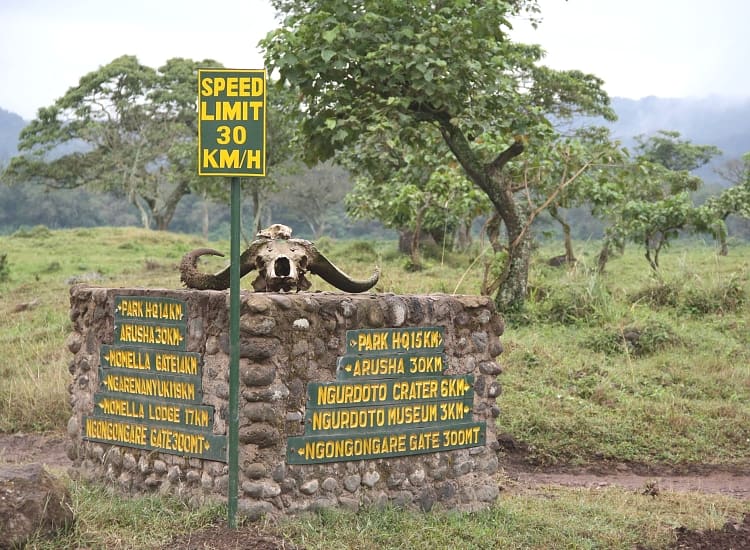
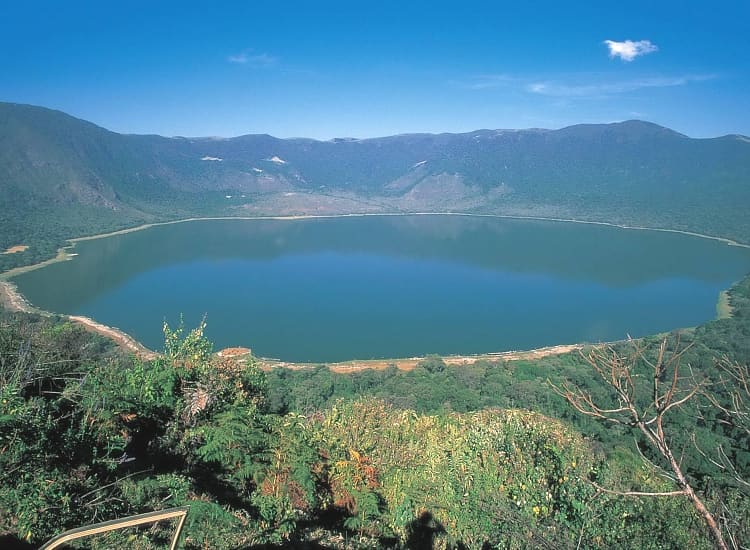
A compact park with extraordinary habitat variety, Arusha hosts around 400 species within a small area. Watch for white-faced whistling ducks, dusky flycatchers, tawny eagles, and buzzards soaring above Ngurdoto Crater. The Momella Lakes are a magnet for water birds and waders, making this a superb introduction to Tanzanian birding directly from the gateway city.
Lake Manyara & Lake Natron
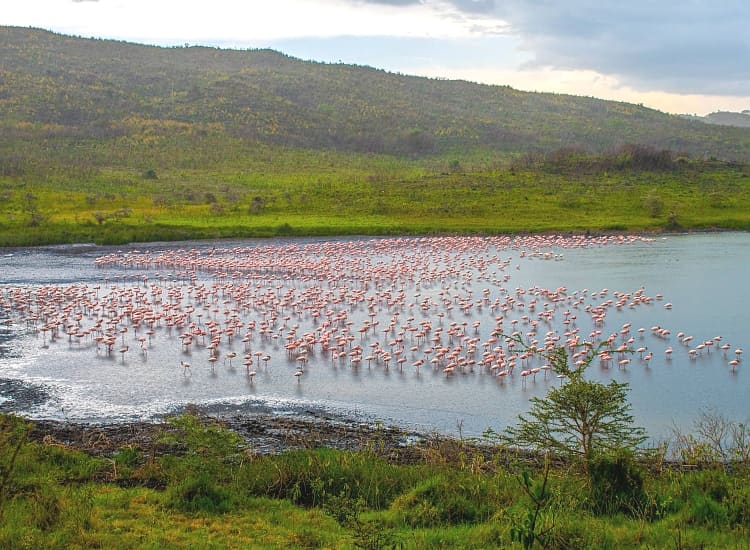
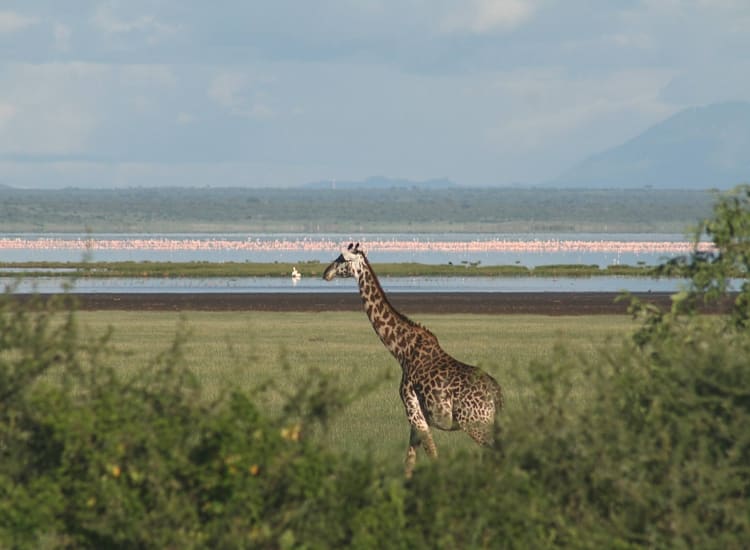
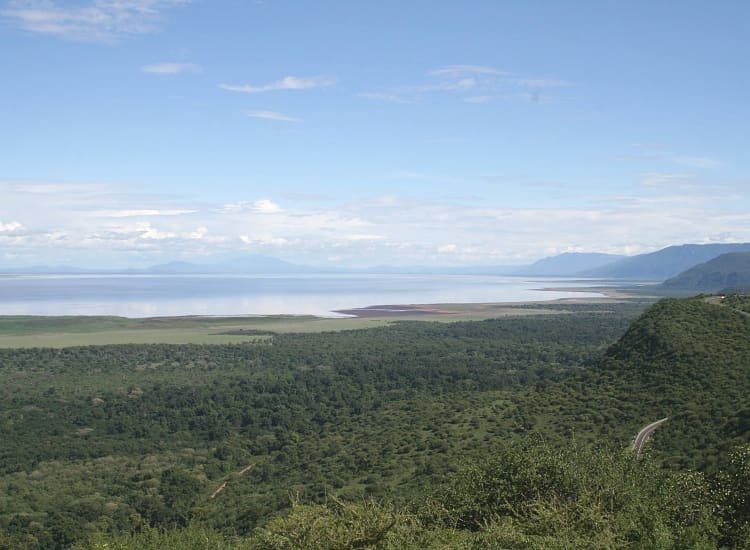
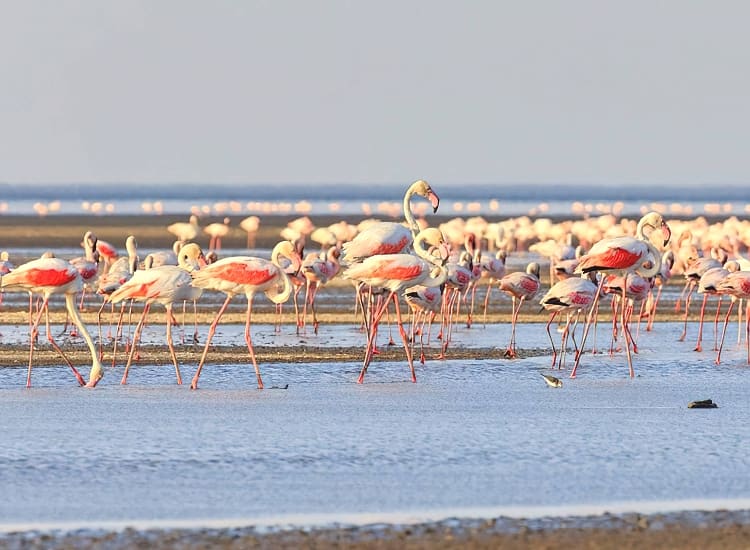
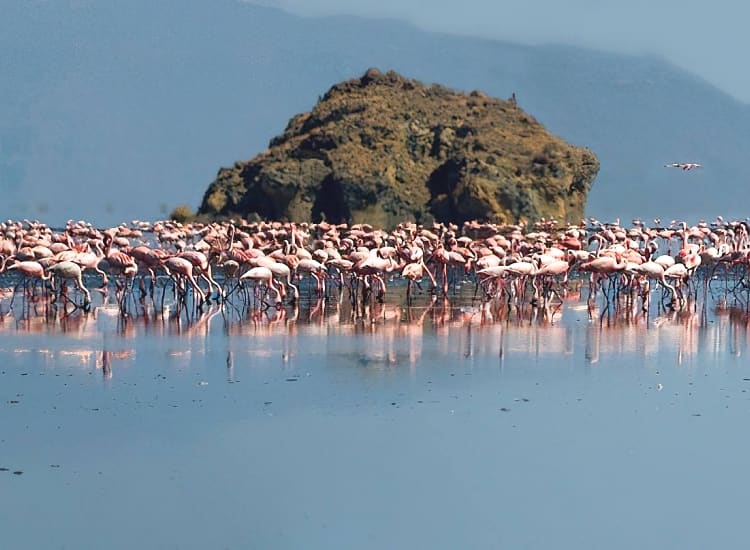
Lake Manyara is famous for pink flamingos, pelicans, storks, cormorants, and hornbills among its 400-plus recorded species. Further north, millions of greater and lesser flamingos mass at Lake Natron – their primary East African breeding ground – creating one of the continent's most dramatic natural spectacles.
Tarangire National Park
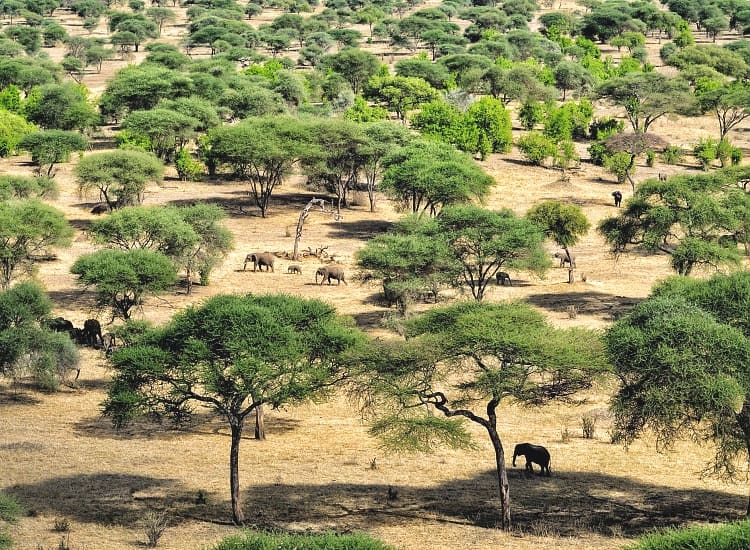
Tarangire's seasonal swamps support more than 550 species, making it one of Tanzania's richest birding destinations. Weighty kori bustards, ostriches, secretary birds, and helmeted guinea fowls patrol the drier plains, while weavers and lovebirds bring colour to the acacia woodland and the swamp margins.
Serengeti & Ngorongoro
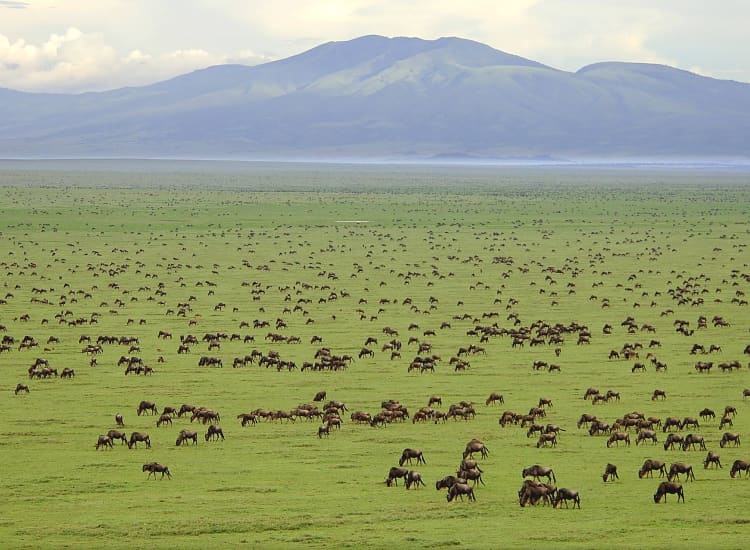
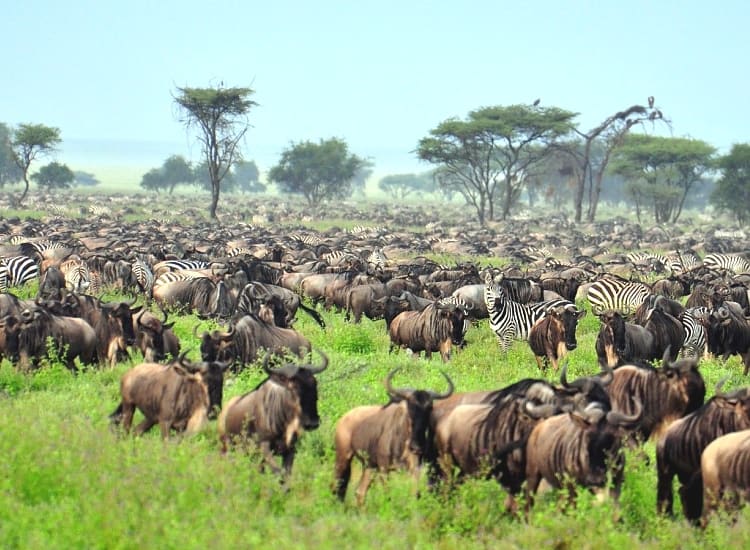
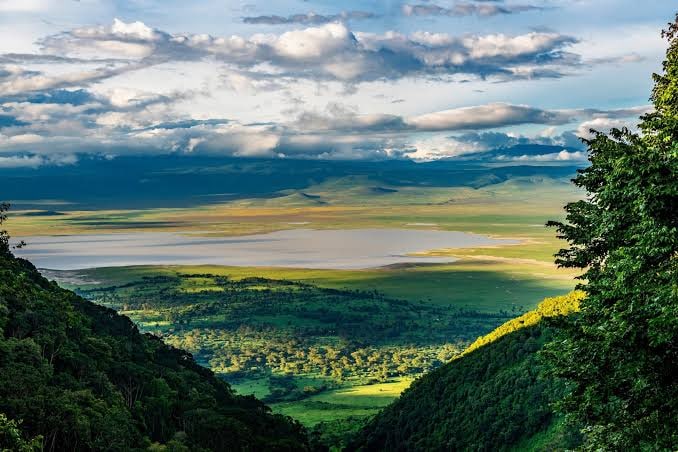
The Serengeti plains reveal around 500 species, including the endemic Fischer's lovebird – a bright-hued small parrot also found in the Ngorongoro Conservation Area – alongside the grey crowned crane and the brown snake eagle. Ngorongoro Crater itself shelters flamingos and a wealth of grassland species within its volcanic bowl.
Ruaha National Park
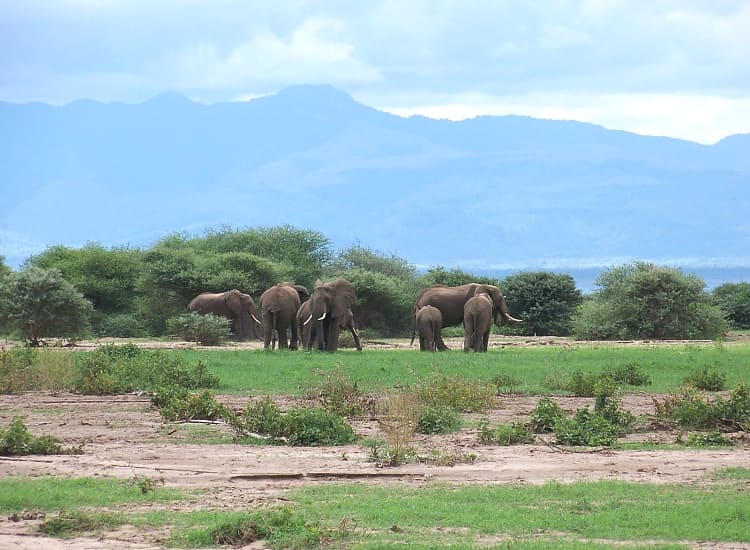
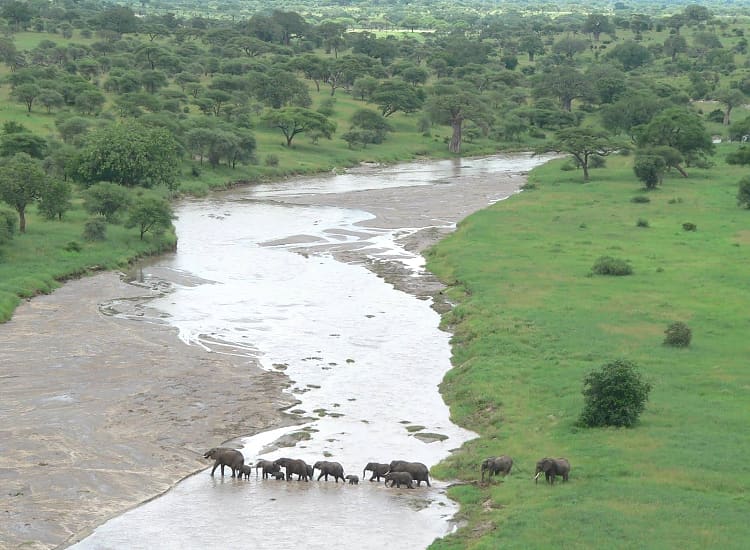
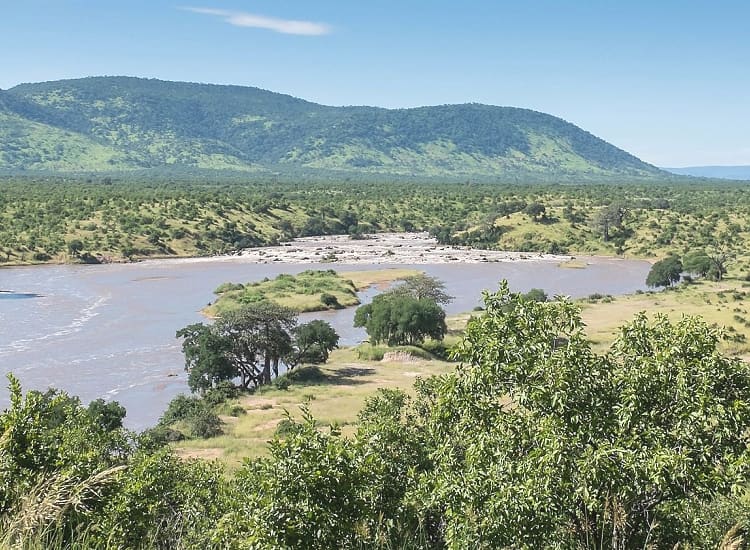
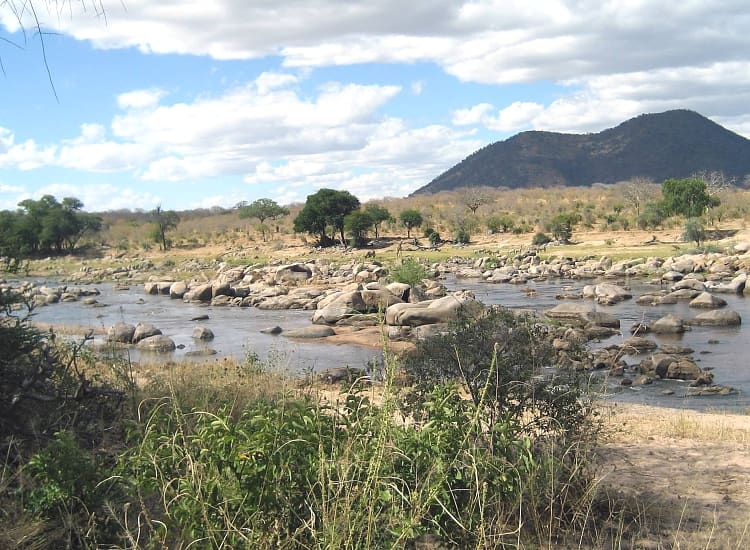
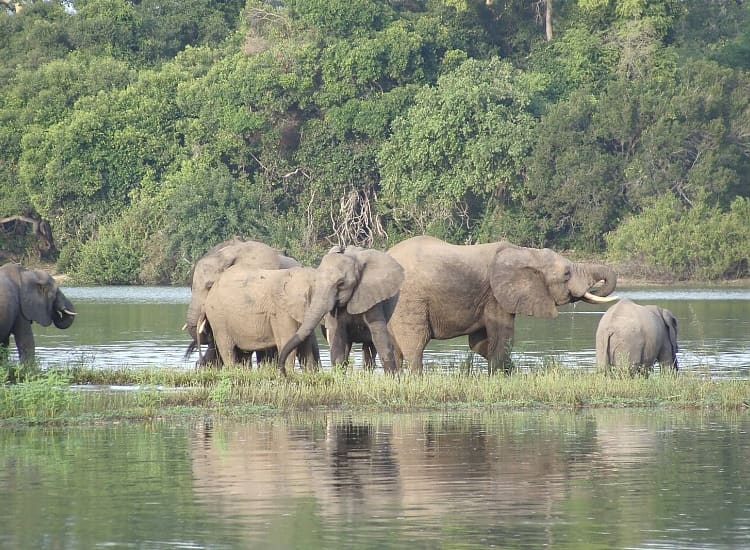
Ruaha holds 570 recorded species, including the yellow-collared sunbird, giant kingfisher, and the distinctively coloured ashy starling. The Great Ruaha River provides crucial dry-season habitat, drawing remarkable concentrations of waterbirds to its banks alongside the park's celebrated elephant and lion populations.
Selous Game Reserve
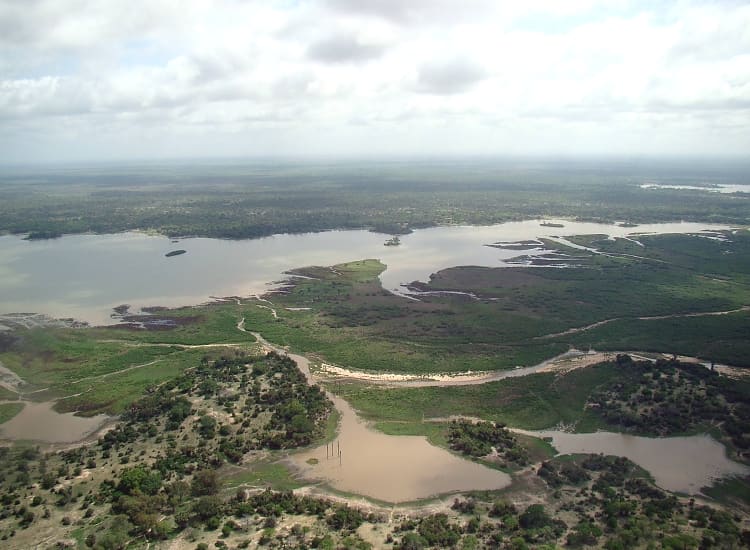
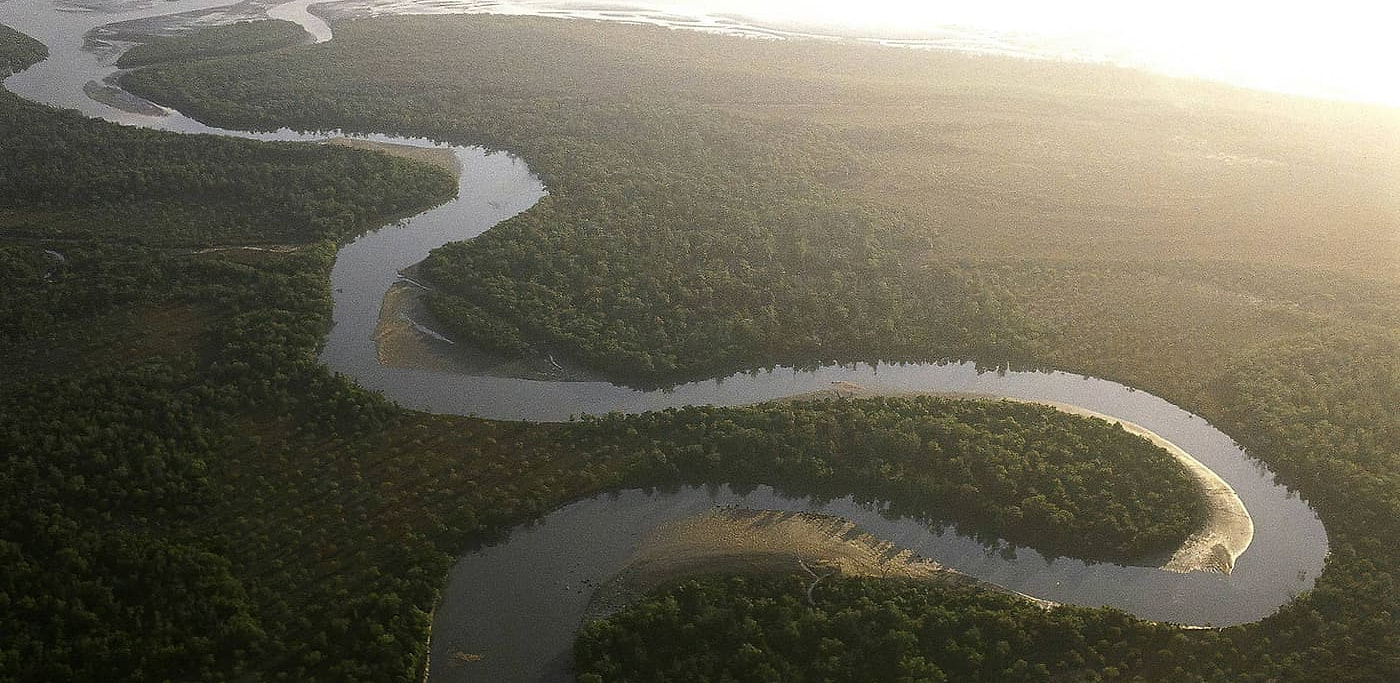
The vast Selous lists over 440 species. The Rufiji River provides ideal habitat for mangrove kingfishers, yellow-billed storks, malachite kingfishers, African skimmers, and palm-nut vultures. A southern circuit with Wild Gaze Safaris overlaps the ranges of both southern and eastern species, creating a rich composite checklist.
Eastern Arc Mountains
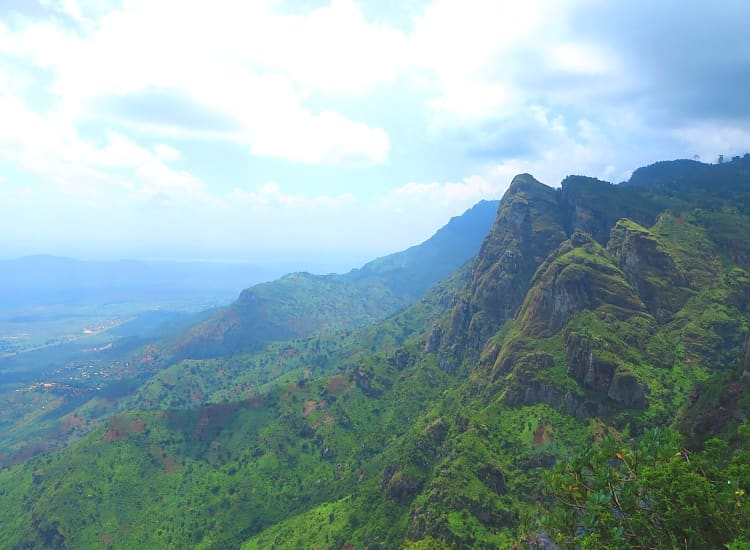
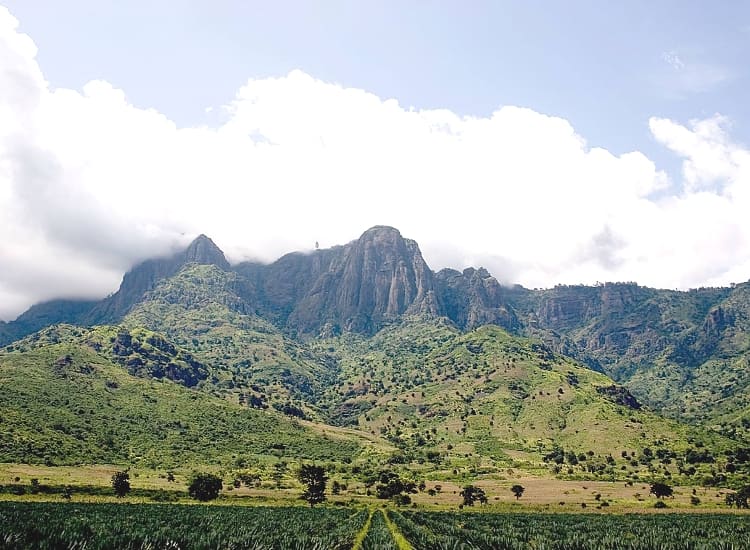
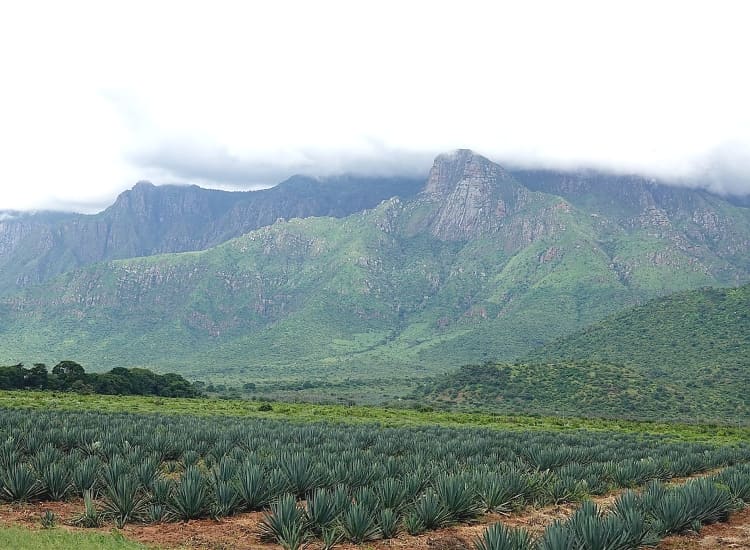
The Eastern Arc Mountains are among Africa's most important endemic bird zones, sheltering 30 short-range endemics. The Udzungwa forests protect the Udzungwa partridge, olive-flanked robin-chat, white-chested alethe, and Sharpe's akalat. The Uluguru Mountains harbour Loveridge's sunbird and the Uluguru bush-shrike, while the Usambara forests hold globally threatened Usambara eagles, Sokoke scops owls, and Usambara weavers.